Blogs

14-Sep-2026

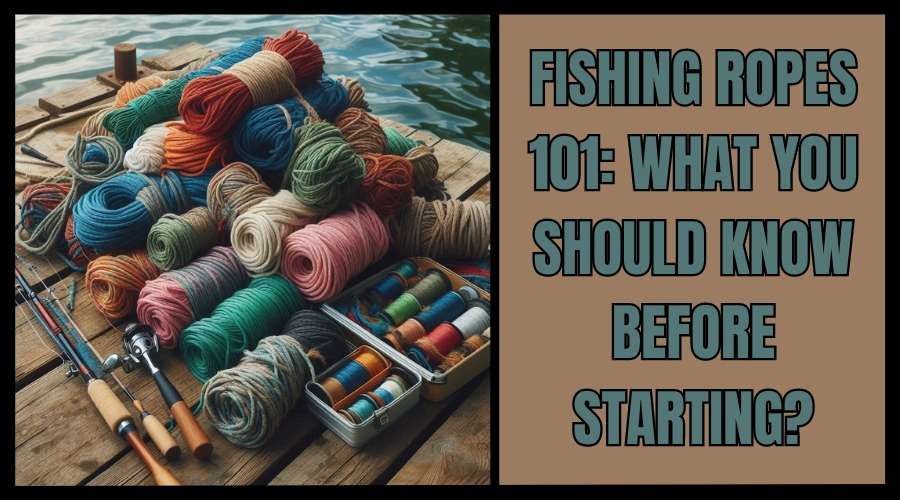
Fishing rope and fishing line are not the same product, even though the two terms get used interchangeably online. Fishing line is the thin, single-strand cord spooled onto a rod and reel for casting and hooking fish. Fishing rope is a thicker, multi-strand cordage used around commercial and recreational fishing operations for tasks such as anchoring a boat, hauling nets, rigging traps, and towing gear. This guide covers fishing rope specifically, since choosing the wrong material, twist, or diameter for this kind of rope can lead to failed anchor points, torn nets, or rope that degrades within a single season at sea. What Is a Fishing Rope A fishing rope is a length of twisted or braided cordage built to handle the mechanical stress of marine fishing work. Unlike fishing line, which needs to be thin and nearly invisible underwater, fishing rope needs to be strong enough to hold weight under tension, resist constant friction against boat hardware and rocky surfaces, and survive continuous exposure to saltwater without breaking down. Fishing rope shows up in several places on a fishing vessel or around a fishing operation: Anchor lines, which hold a boat in place against current and wind Trawl warps and towing lines, which pull nets or trawls through the water Net attachment ropes, which reinforce the edges of a net and connect it to floats or weights Mooring lines, which secure a boat to a dock or another vessel Trap and pot lines, used in crab, lobster, and similar trap-based fishing Each of these jobs puts different demands on the rope, which is why material choice and construction matter more than they might for a general-purpose rope. Materials Used in Fishing Rope The material a fishing rope is made from determines how it behaves in water, how much weight it can hold, and how long it lasts under repeated use. The four materials most commonly used in fishing rope are polyethylene (PE), polypropylene (PP), nylon, and UHMWPE. Polyethylene (PE) is lightweight and floats in water, which makes it a common choice for surface lines such as net floats or lines that need to stay visible and untangled on top of the water. PE resists rot and mildew well, but it has lower tensile strength compared to nylon or UHMWPE, so it tends to be used for lighter-duty applications rather than heavy anchor or towing work. Polypropylene (PP) shares PE's buoyancy and is one of the more affordable options for fishing rope. It holds up reasonably well against moisture and chemical exposure, but it loses strength faster than nylon when exposed to prolonged UV light, which matters for rope that stays on deck or in open air for long stretches. PP is a practical choice for general-purpose fishing tasks where cost matters more than maximum strength. Nylon offers higher tensile strength than PE or PP and has natural elasticity, meaning it stretches under load and absorbs shock rather than snapping suddenly. This makes nylon rope well suited for anchor lines and mooring applications, where sudden jerks from waves or current need to be absorbed rather than transferred directly into the rope fibers. The tradeoff is that nylon sinks rather than floats, and it loses some strength when wet compared to its dry strength rating. UHMWPE (Ultra-High-Molecular-Weight Polyethylene) sits at the top end of the strength range. It offers a very high strength-to-weight ratio, meaning a thinner UHMWPE rope can match or exceed the breaking strength of a much thicker nylon or PP rope. This makes it useful for offshore and deep-sea operations where a lighter, more compact rope is an advantage, though UHMWPE rope typically costs more than the other three materials. Twist and Braid Types Beyond material, how the rope is constructed changes how it performs. The two main construction types in fishing rope are twisted (laid) rope and braided rope. 3-strand twisted rope is made by twisting three individual strands together in a spiral pattern. This construction is simple, cost-effective, and easy to splice, which makes it a common choice for anchor lines and general towing work. Twisted rope tends to hold its shape well and is straightforward to inspect for wear, since damage to individual strands is usually visible on the outer surface. Braided rope is constructed by weaving multiple strands over and under each other rather than twisting them. This construction produces a rope that resists kinking and lies flatter when coiled, which is useful for rope that gets handled frequently, such as lines used around traps or net rigging. Braided rope also tends to have a smoother surface, reducing friction against hands and hardware during repeated use. Neither construction is universally better. Twisted rope is generally preferred where cost and ease of splicing matter more, while braided rope is preferred where smooth handling and kink resistance matter more. Choosing the Right Diameter and Strength Diameter and tensile strength are directly related, but they are not the only factors to weigh when picking a fishing rope. A thicker rope generally has a higher breaking strength, but it also weighs more, costs more per meter, and takes up more space on deck or on a reel. The right diameter depends on the specific job: Anchor lines need enough strength to hold the boat against current, wind, and wave action, with an added safety margin above the expected working load. Undersized anchor line is one of the more common causes of lost anchors and drifting boats. Trawl and towing lines experience continuous tension while a net or trawl moves through the water, so these ropes need consistent strength along their full length, since a single weak section under constant load is more likely to fail than in an anchor line that only sees intermittent strain. Net attachment ropes usually need less raw strength than anchor or towing lines, since their job is to hold the shape of the net rather than bear the full load of towing or anchoring. When comparing rope options, look for the manufacturer's stated breaking strength and working load limit rather than diameter alone, since rope strength varies by material and construction even at the same diameter. Saltwater and Abrasion Resistance Saltwater exposure is one of the most demanding conditions a fishing rope will face. Salt crystals can work into the fibers of a rope over time, and repeated wet-dry cycles cause natural fibers to weaken faster than synthetic ones. This is one of the main reasons synthetic materials like PE, PP, nylon, and UHMWPE have largely replaced natural fiber ropes like manila or cotton in marine fishing applications, since synthetic fibers do not absorb water or salt the way natural fibers do. Abrasion resistance matters just as much as saltwater resistance, since fishing rope regularly rubs against boat cleats, winches, rocky bottoms, and other hardware. Rope with a tighter twist or braid generally resists surface abrasion better than a loosely constructed rope, since there is less loose fiber exposed to friction. Some ropes also receive a coating or treatment during manufacturing that adds a layer of protection against both UV exposure and surface wear, which can extend usable rope life in rope that stays on deck or in direct sunlight for long periods. Basic Maintenance Tips Proper care extends the working life of a fishing rope and reduces the risk of failure during use. Inspect the rope regularly. Run the rope through your hands periodically and look for fraying, flat spots, discoloration, or stiff sections. These are signs of wear that indicate a section of rope may be weaker than the rest. Rinse rope after saltwater use. Fresh water rinses salt crystals out of the rope fibers before they have a chance to sit and cause long-term wear. This is a simple step that meaningfully extends rope life in regular saltwater use. Store rope dry and out of direct sunlight. UV exposure breaks down synthetic fibers over time, and storing rope wet encourages mildew growth on natural fiber blends. Coiling rope loosely and storing it in a dry, shaded space helps it last longer. Retire rope showing signs of damage. Once a rope shows consistent fraying, stiffness, or a noticeable drop in flexibility, it should be replaced rather than continued in service, particularly for anchor lines or towing lines where failure carries real safety risk. Picking the Right Fishing Rope for Your Needs The right fishing rope comes down to matching material, construction, diameter, and strength to the specific job it needs to do. An anchor line calls for a different rope than a net attachment line, and a rope built for offshore towing needs different properties than one used for handling traps close to shore. Getting familiar with these basics before buying rope in bulk helps avoid the common mistake of choosing rope based on price or diameter alone, without checking whether the material and construction actually fit the application. Where to Source Fishing Rope Sourcing from a reliable fishing rope manufacturer makes the difference between rope that performs consistently and rope that fails when it matters most. Star-NM manufactures fishing rope in PE, PP, and other synthetic materials, with twisted and braided construction options built for anchor lines, trawling, net attachment, and general marine fishing use. Each batch is tested for strength and consistency before it ships, giving buyers a dependable option for bulk orders.

20-May-2024

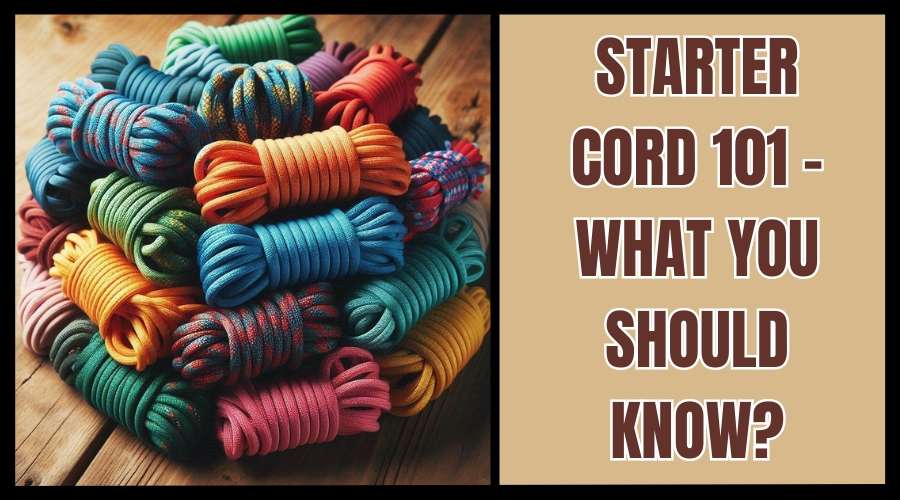
Starting a project can be daunting, whether it is a DIY home improvement, a new business venture, or simply a hobby you've been wanting to try. One crucial element often overlooked in many projects is the starter cord. This comprehensive guide will dive deep into what a starter cord is, why it is essential, and how to choose the right one for your needs. By the end of this article, you'll have a thorough understanding of starter cords and be well-equipped to make informed decisions for your projects. What is a Starter Cord? A starter cord, or a pull cord or recoil starter, is a crucial component used to start internal combustion engines. These engines can be found in various machines, from lawnmowers and chainsaws to generators and small outboard motors. The starter cord is typically a durable rope wound around a pulley connected to the engine's crankshaft. When the cord is pulled, it spins the crankshaft, which in turn initiates the engine's starting process. Importance of a Good Starter Cord A reliable starter cord is essential for the smooth operation of your equipment. Here's why: ·        Efficiency: A high-quality starter cord ensures your engine starts quickly and efficiently, saving time and effort. ·        Durability: Durable cords resist wear and tear, providing a longer lifespan and reducing the need for frequent replacements. ·        Safety: Using a cord in good condition helps prevent accidents and injuries that can occur if the cord breaks or malfunctions. Types of Starter Cords Several types of starter cords are available, each designed for specific applications. Understanding the differences can help you choose the right one for your needs. 1.   Nylon Starter Cords Nylon is a popular material for starter cords due to its strength and flexibility. It is resistant to abrasion and can withstand harsh environmental conditions, making it ideal for outdoor equipment like lawnmowers and chainsaws. 2.   Polyester Starter Cords Polyester starter cords are known for their durability and low stretch properties. They are less flexible than nylon but offer excellent UV rays and chemical resistance. Polyester cords are often used in marine environments where environmental exposure is a concern. 3.   Kevlar Starter Cords Kevlar is a high-strength synthetic fiber with superior durability and resistance to extreme conditions. Kevlar starter cords are used in heavy-duty applications requiring maximum strength and longevity, such as industrial machinery and high-performance engines. How to Choose the Right Starter Cord Selecting the right starter cord involves considering several factors: 1.   Engine Type and Size The type and size of your engine will determine the strength and length of the starter cord you need. Larger engines typically require thicker and more robust cords. 2.   Environmental Conditions Consider the conditions in which your equipment will be used. For instance, a polyester cord may be more suitable if you're working in a marine environment due to its resistance to UV rays and saltwater. 3.   Frequency of Use The frequency with which you use your equipment can also impact your choice. If you're using your equipment frequently, investing in a high-quality, durable cord like Kevlar can be more cost-effective in the long run. How to Replace a Starter Cord Replacing a starter cord can be a straightforward process if done correctly. Here's a step-by-step guide: ·        Disconnect the spark plug: This is crucial for safety to ensure the engine doesn't start accidentally. ·        Remove the starter assembly: This usually involves unscrewing the assembly from the engine. ·        Remove the old cord: Carefully unwind the old cord from the pulley and discard it. ·        Install the new cord: Thread the new cord through the pulley and secure it tightly. ·        Reassemble the starter: Reattach the starter assembly to the engine and reconnect the spark plug. Maintenance Tips for Starter Cords Maintaining your starter cord can extend its life and ensure your equipment runs smoothly. Here are some tips: ·        Regular Inspection: Check the cord regularly for signs of wear and tear. Look for fraying, cuts, or any other damage. ·        Proper Storage: Store your equipment in a dry place to prevent moisture damage to the cord. ·        Cleanliness: Keep the cord clean and free from debris that can cause abrasion. ·        Lubrication: Occasionally lubricate the pulley mechanism to ensure smooth operation. Common Issues with Starter Cords and How to Fix Them Even with proper maintenance, you might encounter issues with your starter cord. Here are some common problems and how to address them: 1.   Cord Breakage If the cord breaks, it's usually due to wear and tear. The solution is to replace the cord with a new, high-quality one. 2.   Cord Slippage Cord slippage occurs when the cord doesn't grip the pulley correctly. It can often be fixed by adjusting the cord's tension or replacing the pulley if it's worn out. 3.   Difficulty in Pulling the Cord If you're having trouble pulling the cord, it could be due to a clogged or damaged pulley mechanism. Cleaning or replacing the pulley can resolve this issue. Benefits of Using High-Quality Starter Cords Investing in high-quality starter cords offers numerous benefits: ·        Longevity: High-quality cords last longer, reducing the need for frequent replacements. ·        Reliability: They provide consistent performance, ensuring your engine starts smoothly every time. ·        Safety: Quality cords are less likely to break or malfunction, reducing the risk of accidents. Environmental Considerations When choosing a starter cord, consider the environmental impact. Opt for cords made from eco-friendly materials or those that can be recycled. Additionally, proper disposal of old cords is crucial to minimize ecological harm. Tips for Prolonging the Life of Your Starter Cord Here are some additional tips to help you prolong the life of your starter cord: ·        Avoid Overstretching: Don't pull the cord more than necessary to start the engine. ·        Gentle Handling: Handle the cord gently and avoid letting it snap back forcefully. ·        Regular Replacement: Replace the cord before it becomes severely worn to prevent breakage. Conclusion A starter cord may seem like a small and insignificant part of your equipment, but it is critical in ensuring smooth operation and longevity. By understanding the different types of starter cords, how to choose the right one, and how to maintain it, you can enhance the performance and durability of your equipment. Whether you're a seasoned professional or a DIY enthusiast, having the right starter cord can make all the difference in your projects. Remember to invest in high-quality cords, follow proper maintenance practices, and promptly address any issues to keep your equipment running efficiently for years.

25-Jun-2026

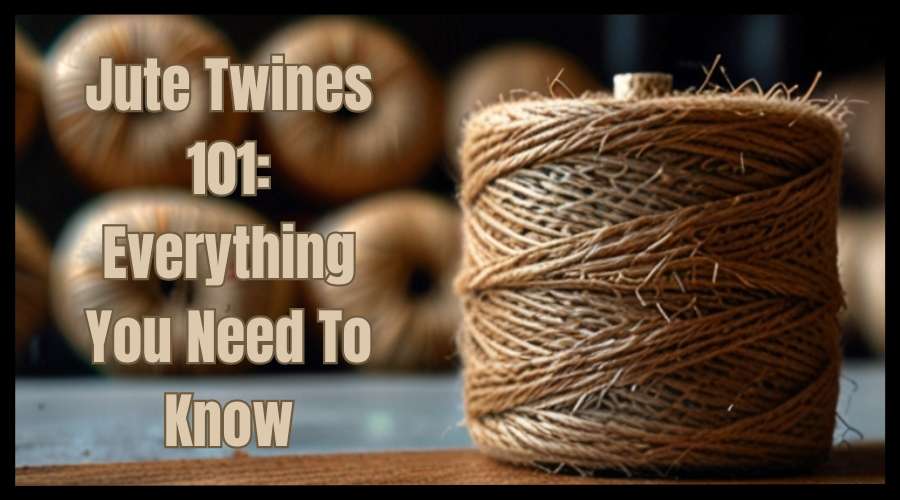
Jute twines have been a cornerstone in various industries and households for centuries. These natural fibers have recently gained significant popularity due to their sustainable and eco-friendly nature. Whether you're a gardening enthusiast, a craftsperson, or someone interested in sustainable living, jute twines have many applications that cater to your needs. This comprehensive guide explores everything you need about jute twines, from their origins and production to their diverse uses and benefits. What is Jute? Jute is a natural fiber derived from the stems of the jute plant, primarily Corchorus olitorius and Corchorus capsularis. Native to the Indian subcontinent, jute is one of the most affordable and abundant natural fibers available. Known for its strength, versatility, and biodegradability, jute is often called the "golden fiber" due to its color and value. The History of Jute Jute's history dates back to ancient times, with evidence suggesting its use in the Indus Valley Civilization. Traditionally used for making ropes, sacks, and utilitarian items, jute's importance surged during the British colonial era when it became a primary export product from Bengal. Today, India and Bangladesh are the largest producers of jute, supplying the global market with high-quality fibers. How Jute Twines Are Made The production of jute twines involves several steps: 1. Harvesting Jute plants are harvested at total growth, usually within 120 days of planting. The plants are cut close to the ground and bundled for processing. 2. Retting The harvested stems are submerged in water for a few weeks to loosen the fibers from the stalks. This process, known as retting, allows the fibers to be easily separated. 3. Stripping After retting, the jute fibers are stripped from the stalks by hand. The fibers are then washed and dried. 4. Spinning The dried fibers are spun into yarn or twine using traditional or mechanical methods. This step determines the thickness and strength of the final product. 5. Twisting and Twining The spun yarn is twisted into twine of varying thicknesses, depending on its intended use. The twine is then wound into coils or spools for packaging and distribution. Types of Jute Twines Jute twines come in various types, each suited for different applications: 1. Single Ply Twine Single-ply jute twine has one fiber strand, making it thinner and more flexible. It's ideal for light-duty tasks such as crafting and bundling. 2. Two Ply Twine Two-ply jute twine has two twisted strands, offering more strength and durability. It's commonly used in gardening, packaging, and DIY projects. 3. Three Ply Twine Three-ply jute twine, with three strands twisted together, provides maximum strength and thickness. It's perfect for heavy-duty applications like binding heavy objects and construction. Benefits of Using Jute Twines 1. Eco-Friendly Jute twines are 100% biodegradable and compostable, making them an excellent choice for environmentally conscious consumers. Unlike synthetic alternatives, jute does not contribute to plastic pollution. 2. Strong and Durable Despite being a natural fiber, jute is solid and durable. It can withstand significant weight and tension, making it reliable for various tasks. 3. Cost-Effective Jute is one of the most affordable natural fibers, providing an economical solution for various applications. Its production process is also less resource-intensive than that of synthetic fibers. 4. Versatile From gardening and crafting to packaging and construction, jute twines are incredibly versatile. Their natural look also adds an aesthetic appeal to many projects. 5. UV Resistant Jute fibers naturally resist UV light, making them suitable for outdoor use without significant degradation over time. Common Uses of Jute Twines 1. Gardening Jute twines are widely used in gardening for tasks such as tying plants, supporting vines, and bundling garden produce. Their biodegradability ensures that they won't harm the soil. 2. Crafting Craft enthusiasts often use jute twines in various projects, including macramé, jewelry making, and home décor. The natural texture and appearance of jute add a rustic charm to crafts. 3. Packaging Jute twines are a popular choice for eco-friendly packaging solutions. They are used to tie parcels, secure boxes, and even decorate gift wrapping. 4. Construction Jute twines are binding materials in construction, particularly in masonry and scaffolding. Their strength and durability make them suitable for securing heavy materials. 5. Agriculture Farmers use jute twines to bundle crops, tie livestock, and create natural fencing. Their biodegradability prevents their contribution to environmental pollution. 6. Home Use Jute twines are handy for household tasks, including organizing items, securing bags, and even as a makeshift clothesline. How to Choose the Right Jute Twine When selecting jute twine for a specific purpose, consider the following factors: 1. Thickness The thickness of the twine determines its strength and flexibility. Choose thinner twines for light-duty tasks and thicker ones for heavy-duty applications. 2. Length Jute twines are available in various lengths. Determine how much twine you need for your project to avoid wastage. 3. Ply The number of plies indicates the strength of the twine. Single-ply twine is suitable for delicate tasks, while two—or three-ply twines are better for more demanding uses. 4. Quality Look for high-quality jute twine with consistent thickness and minimal fraying. This ensures durability and reliability for your projects. 5. Source Consider purchasing jute twine from reputable sources that adhere to sustainable and ethical production practices. This supports eco-friendly initiatives and ensures high-quality products. 💡 Global Sourcing & Supply Chain Insight: Finding a reliable production partner is crucial for international businesses looking to source premium natural fibers. Operating as an established jute twine exporter, our company ensures strict quality control, consistent ply thickness, and reliable bulk supply chains that seamlessly meet the high-volume demands of global commercial buyers.   Caring for Jute Twines Proper care extends the lifespan of your jute twines: 1. Storage Store jute twines in a dry, cool place away from direct sunlight to prevent degradation. Use sealed containers or bags to protect them from moisture and pests. 2. Handling Handle jute twines gently to avoid fraying and breakage. When cutting, use sharp scissors or a knife to ensure clean edges. 3. Cleaning If your jute twine gets dirty, clean it with a damp cloth. Avoid soaking it in water, as prolonged exposure to moisture can weaken the fibers. DIY Projects Using Jute Twines 1. Macramé Plant Hanger Create a stylish macramé plant hanger using jute twine. Its natural look complements indoor plants, adding a touch of bohemian charm to your décor. 2. Rustic Picture Frame Wrap jute twine around an old picture frame to give it a rustic makeover. This simple DIY project adds a cozy, farmhouse vibe to any room. 3. Gift Wrapping Use jute twine to wrap gifts for a natural, eco-friendly touch. Pair it with recycled paper and dried flowers for an extra special presentation. 4. Homemade Soap Packaging Bundle homemade soap bars with jute twine and a small tag for a thoughtful, handmade gift. The twine adds a rustic elegance to your packaging. 5. Garden Trellis Construct a simple garden trellis using jute twine and wooden stakes. This supports climbing plants like tomatoes and cucumbers while blending seamlessly into your garden. The Future of Jute Twines As sustainability becomes a growing concern, the demand for natural, eco-friendly products like jute twines is expected to increase. Innovations in jute cultivation and processing will likely improve the quality and applications of jute products. Researchers are exploring ways to enhance jute's properties, making it more durable and versatile. Additionally, promoting fair trade practices in the jute industry can lead to better livelihoods for farmers and workers, fostering a more equitable and sustainable supply chain. Conclusion Jute twines are a versatile, eco-friendly, cost-effective solution for many applications. From their historical significance to their modern-day uses, jute twines have proven to be an invaluable resource. Whether gardening, crafting, packaging, or building, jute twines offer a reliable and sustainable option. By choosing jute twines, you're getting a durable and versatile product and contributing to a greener and more sustainable future. Embrace the natural charm and practicality of jute twines in your everyday projects and enjoy the benefits of this remarkable golden fiber. Looking for Premium Jute Twine Solutions? Now that you know how to choose, use, and maintain the right natural fibers for your business, the next step is finding a dependable partner to secure your bulk inventory. As a globally recognized industry leader, STAR-NM company specializes in manufacturing high-grade natural fibers tailored to your exact ply, thickness, and packaging specifications. Whether you are scaling up retail distribution, agricultural operations, or industrial packaging projects, we deliver verified quality with uninterrupted global supply chain support.

31-Aug-2026

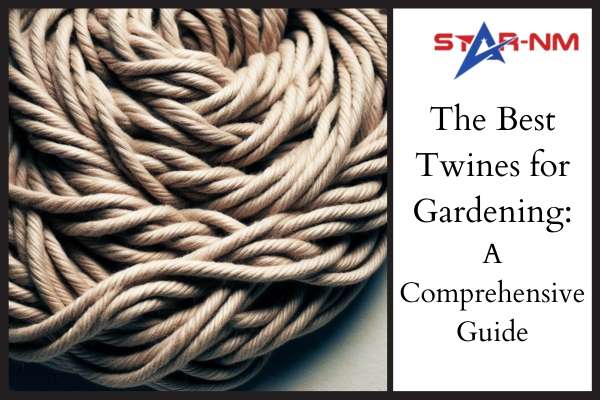
Gardening enthusiasts know that the right tools can make all the difference in nurturing a thriving garden. Twine is versatile and essential for various gardening tasks. Let's delve deeper into the world of twines and explore the best options for your gardening needs. Understanding Twines: What Are They? Twine is a reliable companion for gardeners. Its thin yet sturdy cord aids in tasks ranging from plant support to construction. Crafted from different materials, twines come in various strengths and textures to suit different gardening requirements. Types of Twines 1.      Jute Twine: Derived from the fibers of the jute plant, jute twine boasts natural biodegradability and eco-friendliness. Its soft texture makes it gentle on plant stems, making it ideal for tying and supporting delicate plants without causing damage. 2.      Cotton Twine: Renowned for its softness and flexibility, it is a go-to option for gardeners seeking a gentle yet reliable twine. Its biodegradable nature and ease of use make it a favorite for tasks like tying bundles and securing young plants. 3.      Hemp Twine: Its robust fibers extracted from the hemp plant offer exceptional strength and durability. It is resistant to rot and mold and withstands outdoor conditions admirably, making it suitable for heavy-duty tasks such as constructing garden structures and supporting large plants. 4.      Nylon Twine: Engineered for durability, nylon twine excels at withstanding the elements and resisting moisture, UV rays, and abrasion. Its strength and longevity make it ideal for tasks requiring reliable support, such as securing heavy branches and building trellises. Factors to Consider When Choosing Twines Selecting the right twine involves assessing various factors to ensure optimal performance and suitability for your gardening endeavors: 1.      Strength: Evaluate the weight-bearing capacity of the twine to ensure it can adequately support your plants or structures. 2.      Durability: Consider the lifespan of the twine, particularly its resistance to environmental factors like moisture and sunlight. 3.      Flexibility: Look for twines that offer sufficient flexibility for securely tying knots without risking damaging plant stems. 4.      Biodegradability: Opt for eco-friendly options like jute or cotton twine to minimize environmental impact. 5.      Cost: Balance the quality and price of the twine to find a suitable option that aligns with your budget without compromising performance. The Best Twines for Specific Gardening Tasks Now that we've explored the types of twines available, let's match every kind with specific gardening tasks to maximize their effectiveness: 1.   Securing Plants When securing plants to stakes, trellises, or support structures, jute twine and cotton twine shine; their gentle texture and flexibility ensure that plants are held securely without causing damage or constriction, allowing for healthy growth and development. 2.   Creating Garden Structures Hemp twine and nylon twine take center stage in constructing sturdy garden structures such as trellises, arbors, and fences. Their superior strength and durability enable them to withstand the weight of plants and exposure to outdoor elements, ensuring long-lasting support for your garden's infrastructure. 3.   Training Climbing Plants Nylon twine is the top choice when training climbing plants like beans, peas, or ivy to grow vertically. Its robust construction and resistance to stretching make it capable of securely holding the weight of plants as they ascend, guiding them along their growth trajectory with ease. Conclusion In gardening, choosing the proper twine is akin to selecting a reliable ally to support and nurture your plants. By understanding the diverse characteristics of twines and their suitability for different tasks, you can make informed decisions that enhance the efficiency and success of your gardening endeavors. Whether securing plants, constructing garden structures, or training climbing plants, the proper twine ensures your garden thrives with strength and resilience.