23-Sep-2026
PE twisted rope is one of the most widely used synthetic ropes across marine, agricultural, construction, and outdoor applications, valued for combining real strength with a lightweight, low-maintenance build. Despite how common it is, many buyers and users do not fully understand what sets this rope apart from other synthetic options, how it is actually made, or what to check before choosing it for a specific job.
This guide covers what PE twisted rope is, how it is manufactured, the properties that make it useful, where it is commonly applied, how it compares to other rope types, and what to look for when selecting and maintaining it.
What Is PE Twisted Rope
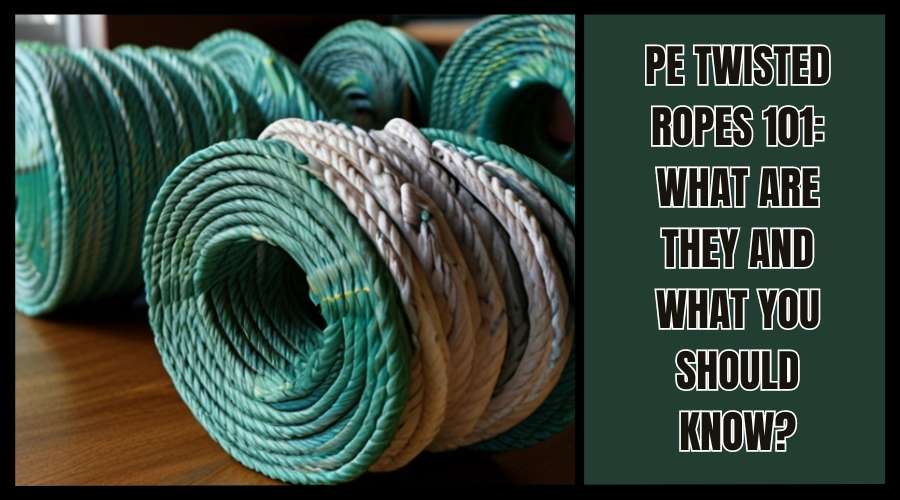
PE twisted rope is made from polyethylene (PE), a thermoplastic polymer known for its toughness and resistance to abrasion. The rope gets its name from its construction method: multiple polyethylene fiber strands are twisted together in a spiral pattern to form a single, cohesive length of rope. This twisting process is what gives the rope its structural strength and its recognizable ridged texture.
Because polyethylene is a synthetic material rather than a natural fiber, PE twisted rope behaves differently than rope made from cotton, hemp, or other plant-based materials. It resists moisture absorption, does not rot, and holds up well under repeated exposure to sunlight and outdoor conditions, which is a large part of why it has become a standard choice in industries that depend on rope performing reliably outdoors over long periods.
How PE Twisted Rope Is Manufactured
Understanding the manufacturing process makes it easier to understand why PE twisted rope performs the way it does.
1. Fiber production. The process begins with polyethylene resin, which is melted down and extruded through small openings to form long, continuous fiber strands. This extrusion process determines the base thickness and consistency of the individual fibers that will later be combined into rope.
2. Twisting. Once the fibers are produced, multiple strands are combined and twisted together under controlled tension. This step is critical to the rope's final performance, since uneven twisting can create weak points along the rope's length. Consistent twisting ensures the finished rope has uniform strength and flexibility from one end to the other.
3. Quality control. After twisting, the rope goes through testing to confirm it meets required performance standards. This typically includes tensile strength testing, flexibility checks, and evaluation of how well the rope resists abrasion and UV exposure. Rope that does not meet these standards is filtered out before it reaches packaging.
Key Properties of PE Twisted Rope
The specific properties of PE twisted rope explain why it has become a go-to material across so many different industries.
1. Durability and abrasion resistance. PE twisted rope is built to withstand repeated friction and rough handling without breaking down quickly. This makes it well suited to environments where the rope regularly rubs against hard surfaces, machinery, or other equipment, such as docks, construction sites, or farm equipment.
2. UV resistance. Unlike many natural fiber ropes, PE twisted rope holds up well under prolonged sun exposure. Its resistance to ultraviolet light means it does not become brittle or lose strength as quickly when left outdoors, which matters significantly for marine and outdoor applications where the rope may be exposed to sunlight for extended periods.
3. Flexibility and knot-handling. Despite its strength, PE twisted rope remains flexible enough to be tied into knots without losing structural integrity. This balance between strength and flexibility makes it practical for everyday handling, not just heavy-duty industrial use.
4. Lightweight construction and buoyancy. PE twisted rope is notably lightweight for its strength, and polyethylene's natural buoyancy means the rope floats rather than sinks. This is a meaningful advantage in marine settings, where a rope that floats is easier to spot, retrieve, and manage around a boat or dock.
5. Chemical resistance. PE twisted rope holds up reasonably well against mild acids, alkalis, and solvents, which makes it a practical choice in industrial or agricultural settings where the rope might come into occasional contact with chemicals, fuels, or other substances that would degrade weaker materials faster.
6. Low stretch under load. The twisted construction of PE rope limits how much it stretches when weight is applied. This low-stretch characteristic is important for tasks like securing cargo or handling loads through blocks and pulleys, where excessive stretch could allow a load to shift unexpectedly.
Common Applications of PE Twisted Rope
The combination of strength, buoyancy, and resistance to weather and chemicals makes PE twisted rope useful across a wide range of settings.
1. Marine industry. PE twisted rope is widely used for mooring lines, anchor lines, and fishing net rigging, largely because it resists water absorption, floats for easy visibility, and holds up against long-term UV and saltwater exposure.
2. Agriculture. Farms use PE twisted rope for tying plants, building trellises, bundling produce, and securing loads during transport. Its resistance to moisture and outdoor conditions makes it reliable for tasks that involve regular exposure to the elements.
3. Construction. On construction sites, PE twisted rope is used for lifting materials, securing scaffolding, and setting up safety lines, where its strength and abrasion resistance hold up against the rough handling typical of a job site.
4. Outdoor and camping use. Outdoor enthusiasts use PE twisted rope to pitch tents, secure gear, and build makeshift shelters, taking advantage of its lightweight build and resistance to weather.
5. Household use. Around the home, PE twisted rope shows up as clothesline, for tying down tarps, and for securing items in storage, where its durability and resistance to moisture make it a practical everyday choice.
PE Twisted Rope vs Other Rope Types
Choosing the right rope often comes down to comparing PE twisted rope against other common materials.
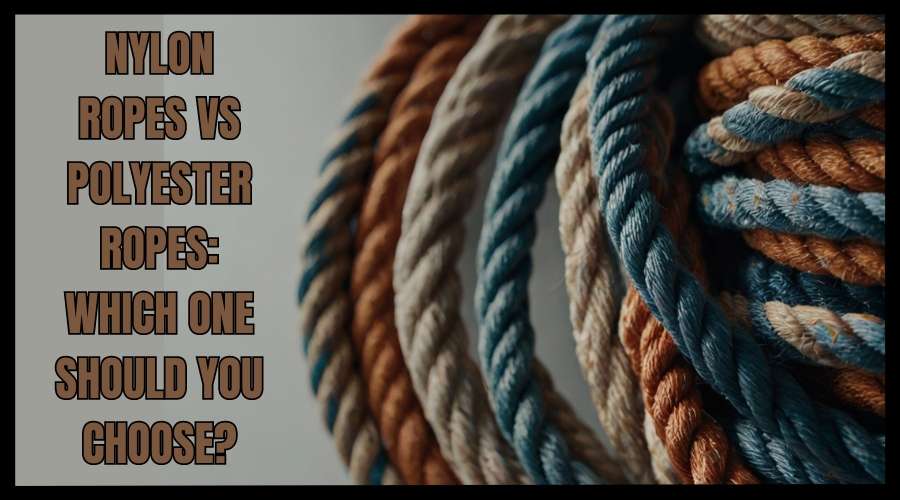
1. PE twisted rope vs nylon rope. Both are strong, synthetic options, but they behave differently under load. Nylon rope is more elastic and absorbs shock better, which makes it a better fit for dynamic loads that involve sudden jerks or tension changes. PE twisted rope, by comparison, offers better resistance to UV rays and chemical exposure, making it a stronger choice for long-term outdoor use where shock absorption is less of a priority.
2. PE twisted rope vs polypropylene rope. These two materials share some similarities, including being lightweight and resistant to chemicals. However, PE twisted rope generally offers better abrasion resistance and tends to hold up longer under repeated friction and rough handling than polypropylene rope.
3. PE twisted rope vs natural fiber rope. Natural fiber ropes, such as those made from hemp or cotton, are biodegradable and have a soft, traditional feel that appeals to certain applications. However, they do not match PE twisted rope's resistance to water, UV exposure, and general environmental wear, which is why PE remains the more practical choice for demanding outdoor or marine conditions.
How to Choose the Right PE Twisted Rope
1. Determine the purpose. Start by identifying exactly how the rope will be used. The environment it will be exposed to and the type of load it needs to bear both influence which specifications actually matter for the job.
2. Check the specifications. Look closely at diameter, tensile strength, and UV resistance ratings. These specifications should align directly with the demands of the intended application, rather than assuming a standard rope will work for every job.
3. Consider the length. Choose a rope length with some margin built in. Running short during a task, particularly one involving securing a load or setting up rigging, creates unnecessary complications that a slightly longer length would have avoided.
4. Evaluate quality and manufacturing consistency. Rope quality can vary meaningfully between manufacturers, even at similar price points. Checking for consistent batch testing and manufacturing standards helps avoid ropes that look similar on paper but perform differently in practice.
Maintenance and Care Tips
1. Inspect the rope regularly. Check PE twisted rope periodically for fraying, cuts, or other visible damage. Catching wear early prevents a compromised rope from being used in a situation where failure would matter.
2. Clean periodically. Removing dirt and debris helps preserve the rope's condition over time. Mild soap and water is generally sufficient; harsh chemicals should be avoided, since they can weaken the fibers rather than simply cleaning them.
3. Store properly. Keep PE twisted rope in a cool, dry place away from direct sunlight when not in use. Coiling it properly during storage helps prevent kinks and tangles that can make the rope harder to work with later.
4. Avoid overloading. Every rope has a recommended load limit, and exceeding it, even occasionally, increases the risk of stretching or breaking. Staying within the rated limit is the simplest way to extend the rope's usable life.
Safety Considerations When Using PE Twisted Rope
1. Use appropriate knots. Not every knot performs equally well on every rope type. Using knots suited to PE twisted rope's specific texture and flexibility helps maintain secure holding strength.
2. Wear gloves for heavy-duty tasks. Handling PE twisted rope under load or during repeated use can cause friction burns or abrasion on bare hands, so gloves are a practical precaution for heavier tasks.
3. Test before critical use. Before relying on a rope for a task where failure would have serious consequences, inspect and test it to confirm it is in good condition and rated for the intended load.
4. Follow manufacturer guidelines. Manufacturer specifications around load limits, storage, and intended use exist for a reason, and following them reduces the risk of using the rope in a way it was not built to handle.
It is also worth noting that PE twisted rope, despite its strength, is generally not recommended for climbing due to its limited elasticity. Specialized climbing rope, built specifically to absorb sudden shock loads, remains the safer choice for that particular application.
Is PE Twisted Rope Right for Your Application
PE twisted rope earns its place across marine, agricultural, construction, and household use because it combines real strength with resistance to water, UV exposure, and chemical contact, all while staying lightweight and easy to handle. Whether it is the right choice for a specific job comes down to matching its properties, buoyancy, low stretch, and abrasion resistance, against what that job actually demands, and comparing it honestly against alternatives like nylon, polypropylene, or natural fiber rope where a different set of properties might be a better fit.
Source Wholesale PE Twisted Rope from Star-NM
Buyers looking to source wholesale PE twisted rope for marine, agricultural, or industrial use can turn to Star-NM for consistent batch quality, custom diameters, and bulk order support. From standard coil lengths to specifications built around your application, the team works directly with buyers to match rope performance to real operating conditions, backed by reliable global shipping.